Believers in Herbal Alcohol: Transforming Drinking Culture

In recent years, a fascinating shift has emerged in the drinking culture, one that embraces the natural and the holistic. Herbal alcohol, a blend of traditional brewing techniques and the infusion of various herbs, is gaining traction among those seeking a more mindful drinking experience. This trend is not just about the beverages themselves; it reflects a broader movement towards wellness, sustainability, and a deeper connection to nature.
The Rise of Herbal Alcohol
Herbal alcohol is not a new concept. Cultures around the world have long used herbs in their alcoholic beverages for flavor, medicinal properties, and even spiritual significance. From the ancient Greeks who infused wine with herbs to the Chinese who brewed medicinal spirits, the practice has deep roots. However, in today's context, herbal alcohol is making a comeback, driven by a growing interest in health-conscious choices and artisanal products.
What is Herbal Alcohol?
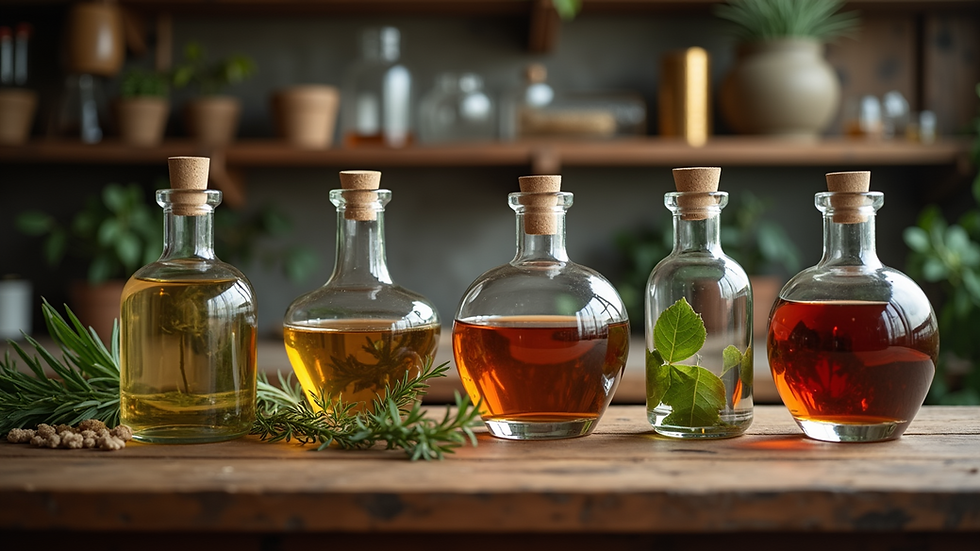
Herbal alcohol is typically made by infusing spirits with various herbs, spices, and botanicals. This process not only enhances the flavor but can also impart health benefits associated with the ingredients used. Common herbs include:
Chamomile: Known for its calming effects.
Ginger: Often used for its digestive properties.
Lavender: Valued for its soothing aroma and potential stress-relief benefits.
These ingredients are often combined with traditional spirits like vodka, gin, or whiskey, creating unique flavor profiles that appeal to a wide range of palates.
The Health Benefits of Herbal Alcohol
While moderation is key, herbal alcohol can offer some potential health benefits. Many herbs used in these infusions have been studied for their therapeutic properties. For instance:
Ginger has been shown to aid digestion and reduce nausea.
Echinacea is often used to boost the immune system.
Peppermint can help with headaches and digestive issues.
By choosing herbal alcohol, consumers may enjoy a drink that not only tastes good but also supports their overall well-being.
Changing Perceptions of Drinking
The rise of herbal alcohol is part of a larger trend towards mindful drinking. As more people become aware of the effects of alcohol on their health, they are seeking alternatives that align with their values. This shift is characterized by:
Quality over Quantity: Consumers are opting for fewer, high-quality drinks rather than binge drinking.
Mindfulness: There is a growing emphasis on being present and intentional about what we consume.
Sustainability: Many herbal alcohol brands focus on sourcing organic ingredients and using eco-friendly practices.
Crafting a New Experience
Herbal alcohol is not just about the drink itself; it’s about the experience. Many brands are creating immersive experiences around their products, such as:
Tasting Events: These events allow consumers to explore different flavor profiles and learn about the herbs used in each infusion.
Workshops: Some brands offer workshops on how to create your own herbal infusions at home, empowering consumers to engage with the process.
These experiences help foster a deeper connection to the product and the natural world, transforming drinking from a mindless habit into a mindful ritual.
The Role of Community
The herbal alcohol movement is also about community. Many brands are built on the principles of collaboration and support for local farmers and artisans. By sourcing ingredients from local producers, these brands not only ensure quality but also contribute to the local economy.
Building Connections
Herbal alcohol brands often engage with their communities through:
Local Collaborations: Partnering with local farms and herbalists to create unique blends.
Educational Initiatives: Hosting events that educate consumers about the benefits of herbs and the importance of sustainable practices.
These efforts help create a sense of belonging and shared purpose among consumers, further enhancing the appeal of herbal alcohol.
The Future of Drinking Culture
As the demand for herbal alcohol continues to grow, it is likely to influence the broader drinking culture in several ways:
Increased Variety
With more brands entering the market, consumers can expect a wider variety of flavors and styles. This diversity will encourage experimentation and exploration, allowing individuals to find drinks that resonate with their personal tastes and values.
Greater Awareness
As herbal alcohol gains popularity, it will likely lead to increased awareness of the benefits of herbs and natural ingredients. This could inspire more consumers to seek out healthier options in other areas of their lives, from food to skincare.
A Shift in Social Norms
The rise of mindful drinking may also shift social norms around alcohol consumption. As more people embrace the idea of moderation and quality, the stigma around choosing herbal alcohol over traditional options may diminish, creating a more inclusive drinking culture.
Conclusion
The transformation of drinking culture through herbal alcohol represents a significant shift towards mindfulness, sustainability, and community. By embracing these natural infusions, consumers are not only enjoying unique flavors but also supporting their health and the environment. As this trend continues to grow, it will undoubtedly shape the future of how we think about and experience alcohol.
For those looking to explore this exciting new world, consider trying a local herbal alcohol brand or even experimenting with your own infusions at home. The journey into herbal alcohol is not just about what you drink; it’s about how you connect with the ingredients, the community, and yourself.


Comments